
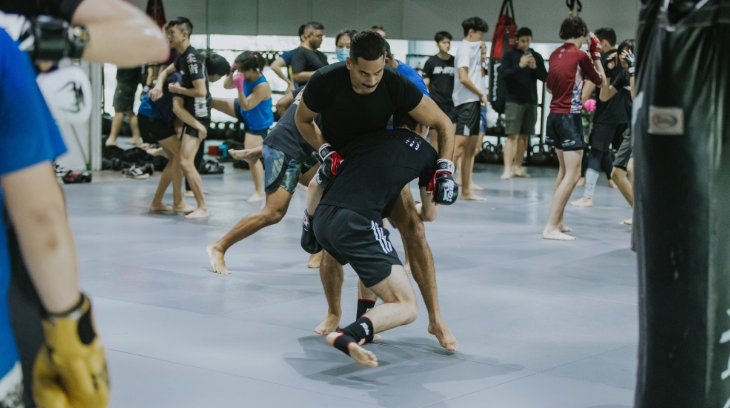
Many people try to lose weight by grinding through the same treadmill routine week after week. It works for some, but it gets boring fast. MMA training offers a different path. You punch, kick, grapple, and move for the whole session, and you barely notice the clock.
This guide explains how MMA training for weight loss works, what results you can realistically expect, and how to get the most out of every class.
How MMA Training Supports Weight Loss
Weight loss comes down to burning more energy than you take in. MMA makes that easier because it asks a lot from your body in a short time.
A typical session mixes striking, grappling, footwork, and conditioning drills. You rarely stay in one movement for long, so your heart rate stays elevated. That keeps your body working hard from the warm-up to the final round.
MMA also builds skills, which keeps you motivated. Learning a new combination or escape gives you a clear goal beyond the scale. People who enjoy their training tend to stick with it, and consistency is what drives long-term change.
Another benefit is the mix of training styles. Weight loss MMA training blends steady effort with short bursts of intensity. That variety challenges your body in several ways and helps you avoid plateaus.
How Many Calories Can MMA Training Burn?
Many beginners ask this first. The honest answer is that it varies. As a rough guide, a moderate to hard MMA session can burn somewhere between 500 and 1,000 calories per hour. Your actual number depends on several things.
Factors That Affect Calories Burned During MMA
Calories burned during MMA are not the same for everyone. Body weight matters, since heavier people usually burn more energy doing the same movements. Fitness level plays a part too. A beginner may burn more at first because everything feels new and demanding.
Other factors include age, muscle mass, and how well you know the techniques. Efficient movement can lower your energy use slightly, while sloppy, tense movement often raises it.
MMA Training Intensity and Calorie Burn
Intensity has the biggest effect on your calorie burn. A light technique session, where you drill slowly and talk between reps, burns far less than a hard sparring or pad round.
High-intensity MMA training uses short bursts of all-out effort followed by brief rests. This style pushes your heart rate up and can leave your metabolism slightly elevated after the session ends. You do not need to go flat out every day, but including some hard rounds each week makes a real difference.
How Training Duration Affects Calorie Expenditure
Longer sessions burn more total calories, but longer is not always better. A focused 60 minute class with quality effort often beats a sloppy 90 minute one.
Watch out for fatigue too. When you are exhausted, your form suffers and your injury risk rises. Aim for a session length you can maintain with good technique and steady energy.
Why MMA Is a Full-Body Workout
A full-body MMA workout uses almost every major muscle group. Few activities can say the same.
Your legs drive every kick, shuffle, and takedown. Your core rotates and stabilizes your body with each punch and throw. Your shoulders, arms, and back power your strikes and handle the pulling and pushing in grappling. Even your grip gets a serious workout.
Because so many muscles work together, your body needs more energy to keep up. This also improves coordination, balance, and flexibility. You are not just burning calories. You are building a body that moves better.
Compare that with a machine that isolates one muscle at a time. MMA trains movement patterns, which is closer to how your body works in daily life.
The Role of Cardio in MMA for Weight Loss
Cardio sits at the heart of MMA for weight loss. Rounds are timed, usually three to five minutes, and each one pushes your lungs and heart. An MMA cardio workout feels less like traditional cardio and more like a game you are trying to win.
How MMA Cardio Workouts Improve Endurance
Endurance grows quickly when you train in rounds. Your body learns to recover faster between efforts, which means you can work harder for longer as weeks go by.
Many beginners notice they run out of breath in the first round. A month later, they finish the class with energy to spare. That progress is motivating, and it also means you can burn more energy per session over time.
High-Intensity Training and Heart Health
Regular high-intensity work can strengthen your heart and improve how efficiently your body uses oxygen. Over time, this may lower your resting heart rate and support healthy blood pressure.
That said, intense exercise is not right for everyone at the start. If you have a heart condition, high blood pressure, or have been inactive for a long time, speak with a doctor before beginning. A good gym will also let you scale the intensity to your level.
Building Cardiovascular Fitness Through MMA
Cardiovascular fitness builds best when you progress gradually. Start with shorter rounds and longer rests. Then add rounds or shorten rest breaks as you improve.
Bag work, shadowboxing, jump rope, and pad drills all build your aerobic base. Combine them with technical practice and you get fitness gains without the boredom.
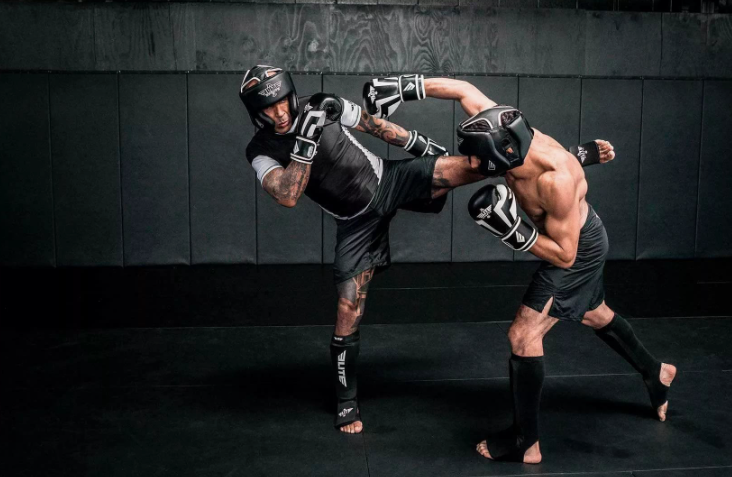
How MMA Training Supports Fat Loss and Muscle Development
Fat-burning workouts are useful, but losing fat while keeping or building muscle gives you a better result. MMA supports both.
The resistance in grappling, bodyweight drills, and heavy bag work challenges your muscles. This helps you hold onto lean tissue while your body fat drops. More muscle also means your body uses a bit more energy at rest.
You will likely see changes in shape before big changes on the scale. Muscle is denser than fat, so your clothes may fit differently even if your weight moves slowly. Pay attention to how you look, feel, and perform, not just the number.
Strength and Conditioning for Weight Loss
Strength and conditioning work makes your MMA training safer and more effective. Many good gyms include it as part of the program, and you can add it on your own days off from class.
Useful exercises include squats, deadlifts, push-ups, pull-ups, planks, and kettlebell swings. These build the power and stability you need for strikes and takedowns. They also protect your joints.
Conditioning circuits are another strong option. Think burpees, sled pushes, battle ropes, and sprint intervals. Keep sessions short and focused, around 20 to 30 minutes. Do not stack too much heavy lifting on top of hard MMA days, or recovery will suffer.
How Often Should You Train MMA to Lose Weight?
For most beginners, three to four sessions per week is a solid target. That gives you enough work to see progress and enough rest to avoid burnout.
If you are brand new, start with two sessions and build up. Your muscles, joints, and connective tissue need time to adapt. Jumping into six days a week is a common way to end up injured or exhausted.
Rest days matter. This is when your body repairs itself and gets stronger. Light activity like walking or stretching on off days can help you feel better without adding stress.
Sleep is part of the plan too. Poor sleep can raise hunger, lower energy, and slow recovery. Most adults do best with seven to nine hours per night.
How Nutrition Affects Weight Loss With MMA Training
You cannot out-train a poor diet for long. Nutrition shapes your results as much as your workouts do.
Weight loss needs a modest calorie deficit. A small, steady deficit is easier to sustain and helps protect your muscle and energy. Cutting calories too hard often leads to weak sessions, poor recovery, and rebound overeating.
Protein deserves attention. It supports muscle repair and keeps you feeling full. Good sources include eggs, chicken, fish, beans, lentils, dairy, and tofu. Pair protein with vegetables, fruit, and whole grains for steady energy.
Hydration matters, especially since MMA makes you sweat heavily. Drink water throughout the day, not only during class. Eating a light meal or snack one to two hours before training can also help you perform better.
If you have a health condition or specific dietary needs, a registered dietitian can give you a plan that fits you.
Common Mistakes to Avoid During MMA Weight Loss Training
Some habits hold people back more than they realize. Here are the ones to watch for.
Doing too much too soon is the most common. Enthusiasm is great, but your body needs time to adapt. Build up gradually.
Skipping recovery is another. Without rest, progress stalls and injury risk climbs.
Relying only on class time is a third mistake. A few hours of training cannot cancel out a diet that is far too high in calories.
Chasing extreme weight cuts or crash diets is also a problem. These methods are used in competition, but they are not healthy or useful for general weight loss.
Finally, poor technique and ignoring pain can lead to setbacks. Learn from qualified coaches, wear proper gear, and tell your instructor if something hurts. Training safely keeps you in the game long enough to see results.
What to Expect From an MMA Weight Loss Routine
Results take time, and they rarely come in a straight line. In the first few weeks, you will probably feel sore and tired. That is normal.
By weeks four to eight, many people notice better stamina, improved mood, and more confidence in the gym. Body changes often follow, especially when training and nutrition stay consistent.
A safe and realistic weight loss pace is about half a kilogram to one kilogram per week for many people, though it varies. Some weeks will move faster, and others will stall. Judge your progress over months, not days.
Beyond weight, expect gains in strength, coordination, and mental toughness. Many people say the sense of achievement is what keeps them coming back.
Final Thoughts
MMA training for weight loss works because it combines cardio, strength, and skill into one engaging routine. It burns energy, builds muscle, and gives you goals beyond the scale.
Start at a pace that suits your fitness level, eat sensibly, and rest well. Talk to a doctor first if you have any health concerns. With patience and consistency, you can build a fitter body and a habit you actually enjoy.