How to Prepare for Your First Amateur MMA Fight
Getting Ready for Your First Amateur MMA Fight
Signing up for your first amateur MMA fight is exciting and a little scary. You may feel proud one minute and nervous the next. That mix of feelings is normal, and almost every fighter has felt it before stepping into the cage.
The good news is that preparation takes away most of the fear. When your skills are sharp, your body is conditioned, and your plan is clear, fight day feels far more manageable. This guide walks you through each step, from deciding if you are ready to what to do in the final week. Whether you train at a gym already or are just starting to think about competing, you will find practical advice you can use right away.
What Is Amateur MMA?
Amateur MMA is the first level of competition in mixed martial arts. Fighters compete in shorter rounds, with more safety rules than the pro ranks. Rules can differ by event and by region, but amateur bouts usually include protective gear such as shin guards, and some events limit certain strikes.
Amateur fights are meant to help new competitors gain experience in a safer setting. Many fighters use them to learn how they handle pressure before deciding whether to go further in the sport. Others simply enjoy the challenge. Either way, treating the process seriously will keep you safe and help you perform well.
Step 1: Make Sure You Are Ready to Compete
Before you think about fight night, ask yourself an honest question: is my skill level ready for this?
Most coaches look for a few things before they let a student compete:
- A solid base in striking, grappling, and takedown defense
- Enough time in live sparring to stay calm under pressure
- Good cardio and the ability to keep technique when you are tired
- A clean record of consistent attendance in class
There is no set number of months that fits everyone. Some people are ready in under a year, and others need longer. The best judge is an experienced coach who has watched you train and spar. If you are unsure, ask for a direct and honest opinion. A good coach will tell you the truth, even if it is not what you hoped to hear.
Step 2: Find a Coach and a Team You Trust
Your coach and training partners will shape your whole experience. A good team gives you structure, honest feedback, and people to push you on hard days.
When looking at gyms, ask these questions:
- Does the coach have real competition experience?
- Has the gym prepared other students for amateur fights?
- Is training tailored to each person, or is it the same for everyone?
- Does the team culture feel supportive and safe?
Having a coach who knows your strengths and weaknesses makes a big difference. At Mad Max Academy, the fight team program is led by an undefeated professional fighter and focuses on individual coaching, fight preparation, and finding opportunities to compete. You do not need prior fight experience to join, and the team welcomes both aspiring competitors and serious hobbyists.
Step 3: Build a Smart MMA Training Plan
Good MMA training covers every part of the sport, not just your favorite part. Many beginners spend too much time on what they enjoy and too little on what they find hard.
Striking
Work on your jab, cross, hooks, kicks, knees, footwork, and head movement. Pad work and bag work build technique and power. Shadow boxing helps you fix small mistakes.
Grappling
Grappling includes wrestling and Brazilian jiu jitsu. Practice takedowns, takedown defense, controlling positions, escapes, and submissions. Even if you plan to stay on your feet, you must know how to get up when you are taken down.
Transitions
Fights flow between striking and grappling. Drill the moments in between, such as shooting from a strike, getting back to your feet, and defending against the cage.
A Weekly Structure Example
A balanced week for someone preparing for a fight may include:
- Several technical classes that mix striking and grappling
- One or two sparring sessions
- Strength and conditioning work
- At least one full rest day
Your coach can adjust this based on your schedule and experience level. If you need more attention on your technique, private MMA lessons can help you fix weak spots faster.
Step 4: Sharpen Your Skills With Smart Sparring
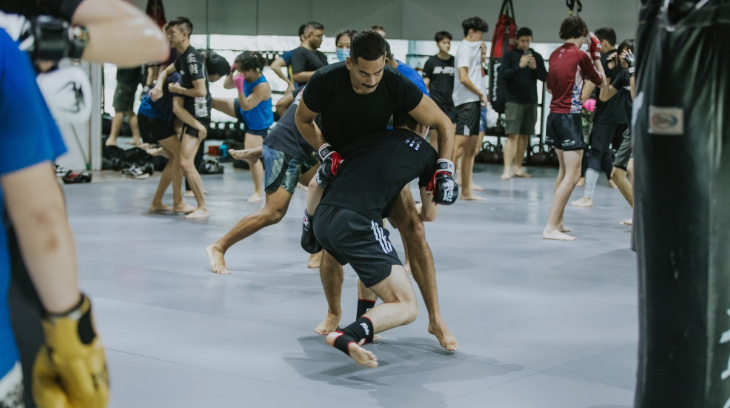
Sparring is the closest thing you have to a real fight. It teaches timing, distance, and how to think while someone is trying to hit you.
Follow these tips to get the most out of it:
- Spar with a variety of partners, including bigger, smaller, taller, and more experienced people
- Keep most rounds controlled and technical
- Work on one goal per round, such as using the jab or defending a takedown
- Wear a proper mouthguard, gloves, and headgear
- Avoid going hard every time, since injuries can end your camp early
Hard sparring has a place, but too much of it leads to injuries and burnout. Good coaches balance intensity with recovery.
Step 5: Build Strength and Conditioning
Fights are tiring. Even a short round feels long when you are under pressure. Strong strength and conditioning work helps you keep your technique when you are exhausted.
A well rounded plan usually includes:
- Strength training: Squats, deadlifts, presses, rows, and pull ups build a strong base
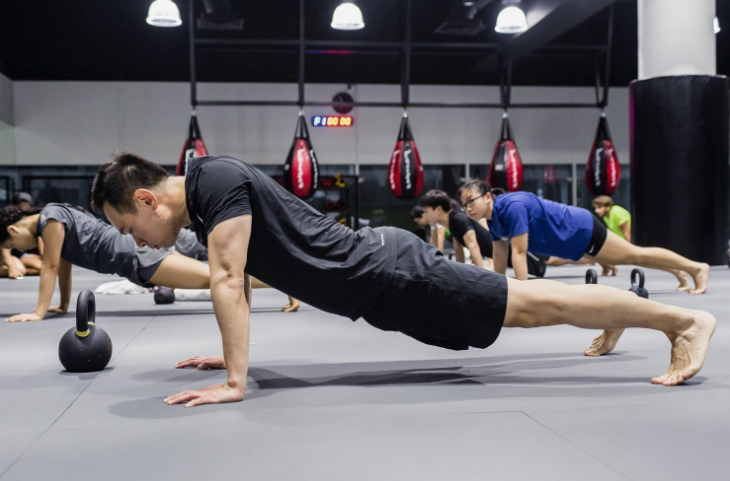
- Explosive power: Jumps, medicine ball throws, and kettlebell work help you move fast
- Cardio: Running, rowing, bike intervals, and rounds on the bag build your engine
- Core and neck work: A strong core and neck protect you and improve your balance
Do not copy a program from the internet without thinking about your own level. A program designed for you will fit your schedule, body, and goals. Programs such as personal training give you one on one guidance on form, lifting, and conditioning, which lowers your risk of injury.
Step 6: Plan Your Nutrition and Weight Cut
What you eat has a direct effect on how you train and recover. Aim for simple, steady habits:
- Eat enough protein to support muscle recovery
- Include whole grains, fruits, and vegetables for energy
- Drink water through the day
- Limit alcohol, heavy fast food, and sugary drinks during camp
- Get consistent sleep
Be Careful With the Weight Cut
Many fighters compete in a weight class below their normal weight. A weight cut should be planned carefully with your coach, and with a doctor or sports nutrition professional if possible. Crash dieting and extreme dehydration can hurt your performance and your health. They can be dangerous.
A safer approach is to start early, lose weight slowly through better eating habits, and avoid last minute extremes. If you are close to your weight class already, you may not need to cut much at all. When in doubt, choose a weight class that lets you stay strong and healthy.
Step 7: Take Recovery Seriously
Recovery is where your body actually gets stronger. Without it, you only get tired.
Good recovery habits include:
- Seven to nine hours of sleep per night
- Rest days with light walking or stretching
- Mobility work and foam rolling
- Ice, heat, or sauna sessions if you have access to them
- Paying attention to pain, and getting any injury checked early
Do not train through sharp pain or ignore signs of a concussion. If you take a hard hit and feel dizzy, foggy, or off, tell your coach and see a medical professional. No fight is worth long term damage.
Step 8: Prepare Your Mind
Many first time fighters say the mental side is harder than the physical side. Nerves are normal, and you can train for them just like any other skill.
Try these ideas:
- Visualize the fight. Picture your entrance, your walk to the cage, and your game plan.
- Practice breathing. Slow breaths calm your heart rate before and during a round.
- Set process goals. Focus on what you can control, like staying composed, using your jab, or keeping your hands up.
- Accept some fear. Being nervous means you care. The goal is to act well while nervous, not to feel nothing.
Talk to your teammates and coach about how you feel. Most of them have been through the same thing and can share what helped them.
Step 9: Handle the Practical Details
Many new fighters forget the details until the last minute. Take care of these early:
- Medical requirements: Many events ask for medical clearance or blood work
- Paperwork and fees: Confirm what the event needs from you
- Gear: Mouthguard, groin protection, shin guards, and gloves if required
- Rules: Know exactly what is allowed and what is not at your event
- Cornermen: Choose people who know your game plan and can stay calm
- Travel and weigh in schedule: Plan ahead so you are not rushing
Ask your coach to walk you through the event rules so there are no surprises.
Step 10: Know What to Do in Fight Week and on Fight Day
The final week is about staying sharp, not getting fitter. You cannot build much new fitness in a few days, but you can lose it by overtraining.
In the Final Week
- Reduce your training volume and keep intensity short and crisp
- Avoid hard sparring
- Stick to foods you know and trust
- Sleep as much as you can
- Pack your bag early and double check your gear
On Fight Day
- Eat a familiar meal and rehydrate as planned with your coach
- Arrive early and stay calm in the locker area
- Warm up gradually, just enough to feel loose and ready
- Listen to your corner between rounds
- Stick to your game plan and stay composed
Win or lose, the first fight teaches you more than months of training. Talk to your coach afterward and write down what went well and what to fix.
Common Mistakes First Time Fighters Make
- Taking a fight too early, before building a base
- Training too hard and getting hurt before the event
- Cutting weight in an unsafe way
- Ignoring grappling or striking because it feels uncomfortable
- Skipping rest and sleep
- Letting nerves take over without a plan
- Training without a coach who knows how to prepare fighters
Avoiding these mistakes puts you ahead of many beginners.
Train With a Team That Prepares You Properly
Preparing for your first amateur MMA fight is easier when you do not do it alone. The right coach, a clear plan, and a supportive team can turn a scary goal into a well managed process.
At Mad Max Academy, you can train with a coach who has more than a decade of experience and has worked with over twenty fighters. Whether you want to compete or simply train at a higher level, the team offers individual coaching, strength and conditioning, and a motivated group of training partners. You can start with a free training week to see how it feels, or contact the team to talk about your goals.
Frequently Asked Questions
How long does it take to prepare for a first amateur MMA fight?
It depends on your background. Someone with prior wrestling, boxing, or jiu jitsu experience may be ready sooner than a complete beginner. A fight camp itself often lasts around eight to twelve weeks, but this comes after you have already built a base of skills. Your coach can give you the best estimate.
Do I need previous fight experience to compete in amateur MMA?
No. Amateur MMA is designed for newer fighters. You do need enough training to protect yourself, including solid basics and some live sparring experience.
How often should I spar before my first fight?
Most fighters spar once or twice a week during camp, with a focus on control and technique. Hard sparring should be limited, especially in the last two weeks before the event, to lower your risk of injury.
Is cutting weight required for amateur MMA?
Not always. Some fighters compete close to their natural weight and need little or no cut. If you do need to cut, plan it early with your coach and avoid extreme methods that can harm your health.