How to Improve Your Striking with One-on-One Coaching
Striking is often the first skill people want to learn in mixed martial arts. It looks simple from the outside: throw a punch, throw a kick, move away. In reality, good striking is a mix of timing, balance, distance, and decision making. Many people train for months and still feel stuck because nobody is watching their small mistakes.
This is where one-on-one coaching can change your progress. When a coach works with only you, every minute of the session is built around your body, your habits, and your goals. This guide explains how it works, what you can expect, and how to get the most from it.
Why Striking Gets Stuck in Group Classes
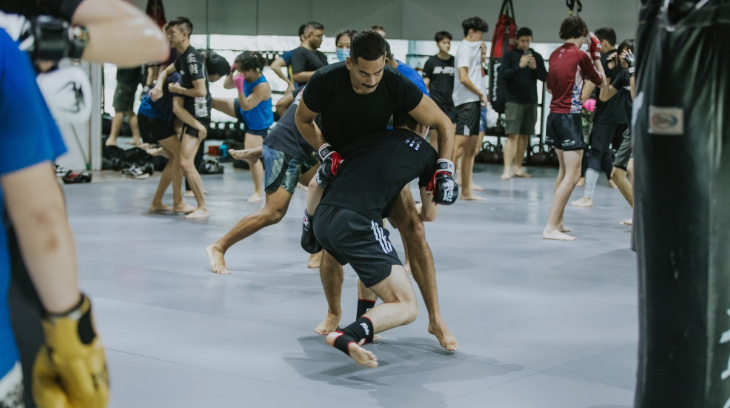
Group classes are a great place to build fitness and learn the basics. But when ten or twenty people share one coach, the feedback has limits.
Small Mistakes Go Unnoticed
A dropped hand, a flat-footed stance, or a late hip turn can be easy to miss in a busy room. Left alone, these habits become normal, and normal habits are hard to undo later.
The Pace Is Set for the Group
A class moves at the speed of the average student. Beginners may feel rushed, while experienced athletes may feel held back. Neither group gets the pace that fits them best.
Questions Get Less Time
If you do not understand why a combination works, you may not have time to ask. Without a clear answer, you end up copying the movement without understanding it.

What One-on-One Coaching Looks Like
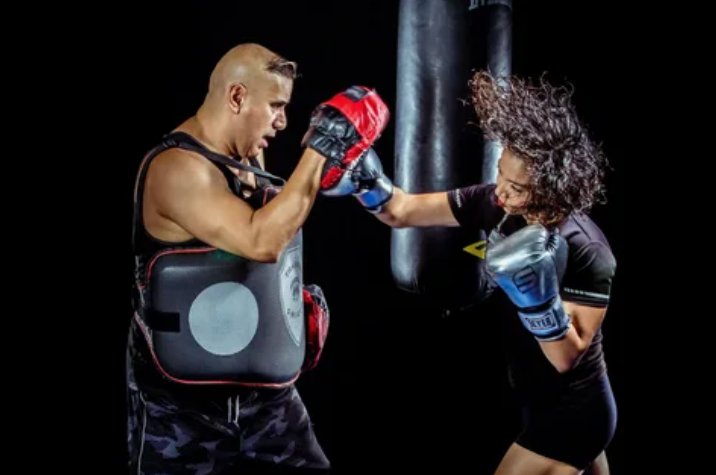
With one-on-one coaching, the session is built around you. The coach checks your current level, listens to your goals, and then plans the work that will help you most.
Mad Max Academy offers this through its private MMA lessons, which are led by an undefeated professional MMA fighter. Each session is shaped by your experience level and areas that need work. You can focus on striking, grappling, conditioning, or overall fight strategy, depending on what you need.
A Plan Built Around Your Goals
A person training for fitness needs a different plan than someone preparing for a fight. A personal MMA coaching plan reflects that difference. Your coach chooses drills, pad work, and sparring styles that match what you want to achieve.
Direct Feedback in Real Time
The biggest advantage is instant correction. If your guard drops after a jab, you hear it right away and fix it on the next round. This quick loop is what speeds up learning.
Key Striking Skills You Can Improve
Good striking is built from a few core pieces. Working on them one at a time, with a coach watching closely, gives steady results.
Footwork and Balance
Footwork is the base of every strike. If your feet are in the wrong place, your punches lose power and your defense gets weaker. A coach can show you how to step, pivot, and reset without crossing your feet or losing balance.
Simple drills, like moving in and out of range while keeping a stable stance, build this skill over time. Your coach can adjust the drills based on your height, reach, and natural movement.
Punching Technique and Combinations
A strong jab and cross are the foundation of most striking games. From there, you can add hooks, uppercuts, and body shots. Learning punching combinations is not about speed alone. It is about linking shots in a smooth order so one strike sets up the next.
In a private session, your coach can break each punch into small steps, such as how your back foot turns, where your elbow travels, and when you exhale. These details make your punches cleaner and safer for your joints.
Head Movement and Defense
Many new strikers focus only on offense. Defense matters just as much. Slipping, rolling, blocking, and checking kicks all help you stay safe while you land your own shots.
A coach can feed you light, controlled attacks so you can practice defensive reactions without pressure. This is one of the best ways to build confidence.
Distance Control and Fight IQ
Knowing when to step in, when to stay back, and when to move off the line is a major part of striking. This is often called fight IQ. It is hard to teach in a large class because it depends on how a single person moves and reacts.
During private work, your coach can point out patterns in your game. For example, you may always back straight up when pressured. Once you see it, you can learn better exits.
Technique Refinement
Even experienced fighters need small adjustments. Technique refinement means polishing what you already know. A fresh set of expert eyes can spot a tiny change that adds power or saves energy.
Who Can Benefit From One-on-One Coaching
You do not need to be a fighter to use this kind of training. It helps many types of people.
Beginners
If you are new to MMA, private lessons let you learn the basics at a comfortable speed. One student shared that they started with zero MMA experience and felt supported while building fundamentals without feeling overwhelmed.
Hobbyists and Fitness Lovers
If you enjoy striking as a way to stay active, a coach can make your workouts safer and more effective. You learn proper form, which also lowers the chance of injury.
Active Fighters
Competitors can use private sessions for game planning, sharpening technique, and getting ready for upcoming bouts. Having a coach who has competed at a high level adds real value here.
How to Get the Most Out of Your Sessions
A good coach matters, but your effort and preparation matter too. These habits can help you improve faster.
Share Clear Goals
Tell your coach what you want, whether it is better defense, more power, or fight preparation. The clearer your goal, the better your plan.
Ask Questions
Do not be shy about asking why a drill matters. Understanding the reason behind a movement helps you remember it.
Practice Between Sessions
Short, regular practice is better than long, rare sessions. Shadow boxing for ten minutes a few times a week can lock in what you learned.
Rest and Recover
Your body builds skill and strength while it recovers. Sleep well, eat enough, and listen to your body so you can train safely.
Be Patient With Progress
Striking is a skill that grows slowly. Some changes will feel awkward at first. That is normal, and a good coach will help you stay on track.
Why Experience Matters in a Striking Coach
Coaching is more than knowing techniques. It is about explaining them clearly and adjusting them to different bodies. A coach with real fight experience understands how a technique feels under pressure, not just how it looks on a mat.
Mad Max Academy is led by Max Metzgar, a professional MMA fighter with more than ten years of experience. The academy reports training over twenty fighters and helping over a hundred people through their fitness and skill journeys. Student reviews often mention a supportive, judgment-free space where people feel heard and pushed in the right way.
Is It Time to Try One-on-One Coaching?
If your striking has stopped improving, or if you want to learn the right way from the start, one-on-one coaching is a smart next step. You get a clear plan, honest feedback, and a coach who focuses fully on your growth.
If you are not sure where to begin, you can try the free training week offered by Mad Max Academy. It is a simple way to see how the training feels and whether it fits your goals before you commit.
Frequently Asked Questions
Is one-on-one coaching good for beginners?
Yes. Sessions are adjusted to your current skill level, so you can learn the basics at a pace that feels comfortable. A coach can also help you avoid bad habits early.
What can I work on in a private striking session?
You can work on footwork, punching combinations, kicks, defense, distance control, and fight strategy. Your coach will help you choose what matters most for your goals.
How is private coaching different from a group class?
In a group class, the coach shares attention across many people. In private coaching, all feedback is aimed at you, so corrections come faster and the plan fits your needs.
Can active fighters use private lessons to prepare for a fight?
Yes. Private sessions work well for sharpening technique, building a game plan, and getting ready for competition.
How often should I train to see results?
It depends on your goals and schedule. Many people see steady progress by combining private sessions with regular solo practice. Your coach can suggest a routine that fits your life.