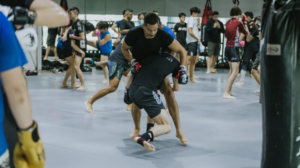
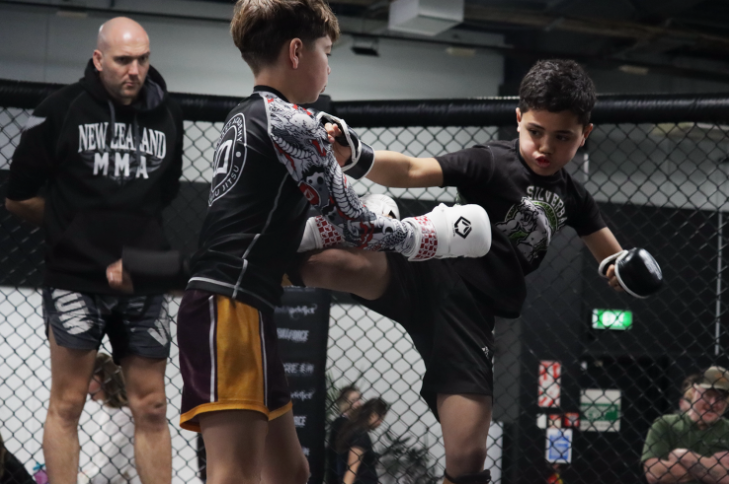
Stepping into an MMA gym for the first time can feel intimidating. Between the cage, the pads, and everyone else who seems to already know what they’re doing, it’s easy to wonder if you’re really cut out for it. The truth is, everyone starts somewhere, and most gyms are far more welcoming to beginners than the intimidating stereotype suggests.
This guide breaks down what MMA training actually involves, what to expect as a beginner, and how to get started safely and confidently.
What Is MMA Training?
MMA training prepares fighters and fitness enthusiasts for the demands of mixed martial arts, a sport that blends striking, grappling, and ground fighting into one discipline. Unlike single style martial arts, MMA requires a working knowledge of multiple fighting systems, which makes the training itself more varied and, for many people, more interesting.
Whether your goal is to compete, get in better shape, or simply learn practical self defense, MMA training offers a well rounded approach that few other fitness disciplines can match.
Understanding Mixed Martial Arts Training
Mixed martial arts training combines techniques from boxing, wrestling, jiu jitsu, muay thai, and other combat sports into a single, cohesive skill set. Rather than mastering one style in isolation, fighters learn how these different elements work together in real, dynamic situations.
This is part of what makes MMA so demanding physically and mentally. A single training session might cover striking one day and ground work the next, requiring students to build competence across very different skill areas.
How MMA Combines Different Fighting Styles
Each fighting style contributes something specific to MMA. Boxing and kickboxing provide striking fundamentals, footwork, and head movement. Wrestling contributes takedowns and control on the ground. Brazilian jiu jitsu adds submission techniques and defense once a fight goes to the mat.
Muay thai, often called the art of eight limbs, expands striking options to include knees and elbows. Together, these styles create a fighting system where a competitor needs to be comfortable standing, clinching, and on the ground, since a real fight can move through all three phases quickly.
What Beginners Can Expect From MMA Training
New students often worry that MMA training means sparring hard from day one. In reality, most beginner classes focus heavily on fundamentals first, building technique and conditioning before any live sparring is introduced.
Expect your early sessions to include a lot of drilling, repetition, and instructor feedback. Good coaches understand that beginners need time to build coordination and confidence before adding the pressure of live training, so the pace is usually more gradual than people expect.
Essential Skills Beginners Learn in MMA Classes
Most beginner MMA classes introduce a core set of skills that form the foundation for everything else. These typically include:
- Basic stance and movement for both striking and grappling
- Fundamental punches, kicks, and defensive blocks
- Simple takedowns and takedown defense
- Basic positions and escapes on the ground
- Introductory submission concepts, like chokes and joint locks
- Conditioning drills to build stamina and overall fitness
These fundamentals give beginners a base to build on, and most gyms structure their curriculum so students revisit and refine these skills continuously as they progress.
Fundamental MMA Fighting Techniques
MMA fighting techniques generally fall into three categories, striking, wrestling, and ground fighting. A strong beginner program introduces all three gradually rather than overwhelming students with everything at once.
Basic Striking and Footwork
Striking fundamentals start with stance, guard position, and footwork, since these form the base for every punch or kick that follows. Beginners typically learn basic combinations, like the jab and cross, along with simple kicks and defensive movements such as slipping and blocking.
Good footwork matters just as much as the strikes themselves. It allows fighters to maintain distance, avoid counters, and set up their own offense effectively, which is why coaches often spend significant time on movement drills before adding more complex combinations.
Wrestling, Takedowns, and Clinch Work
Wrestling introduces students to takedowns, which are essential for controlling where a fight takes place. Beginners typically start with basic single and double leg takedowns, along with fundamental takedown defense to avoid being taken down themselves.
Clinch work, the close range grappling exchange often seen before a takedown, is another key area. It teaches control, positioning, and how to transition between striking and grappling ranges smoothly, which is a skill unique to MMA compared to single discipline martial arts.
Ground Fighting and Submission Basics
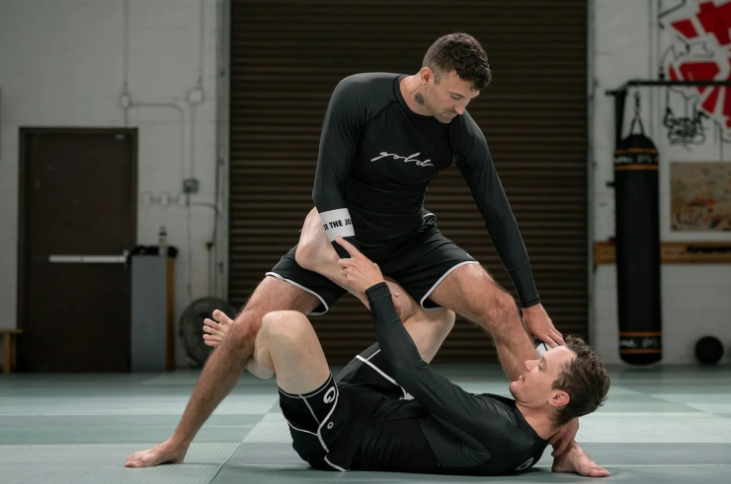
Ground fighting, largely influenced by Brazilian jiu jitsu, focuses on positional control and submissions once a fight hits the mat. Beginners usually start by learning basic positions, like mount and guard, along with fundamental escapes.
From there, simple submissions such as basic chokes and armbars are introduced. Ground fighting often feels unfamiliar to newcomers, especially those without a wrestling or grappling background, but most students find it becomes one of the more rewarding aspects of training once the basics click.
How MMA Fitness Training Builds Strength and Endurance
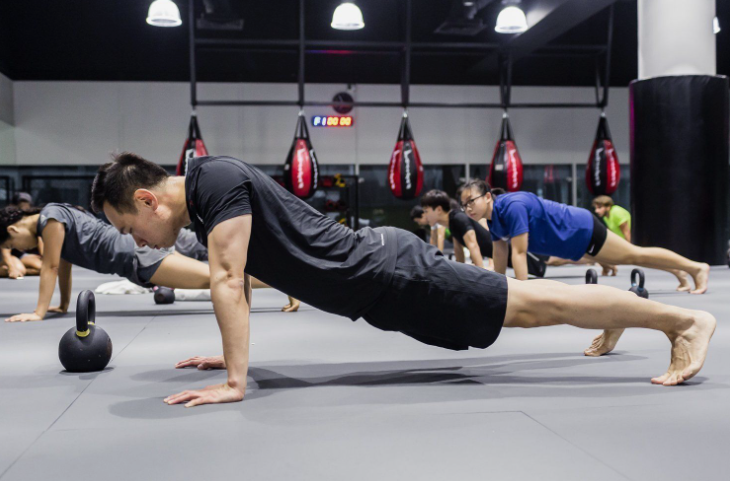
MMA fitness training goes well beyond typical gym workouts, since fighters need a unique combination of strength, endurance, flexibility, and explosive power. Training sessions often incorporate circuit style conditioning, bodyweight exercises, and sport specific drills that mimic the demands of an actual fight.
This kind of training builds functional strength rather than just muscle size, along with the cardiovascular endurance needed to maintain intensity across multiple rounds. Many beginners find that MMA fitness training improves their overall fitness faster than traditional workouts, simply because the training is so varied and demanding.
Flexibility and mobility work are also commonly included, since a wider range of motion helps with both striking technique and injury prevention during grappling exchanges.
What to Expect From a Beginner MMA Class
A typical beginner class usually starts with a warm up, followed by technique instruction, drilling, and often some light conditioning to close out the session. Instructors generally break techniques down step by step, demonstrating slowly before having students practice with a partner.
Class sizes and structure vary between gyms, but most beginner focused programs keep the environment supportive rather than competitive. Don’t expect to be thrown into full sparring right away. Most reputable programs introduce controlled, lower intensity sparring only once students have built enough technical foundation to stay safe.
How to Prepare for Your First MMA Training Session
Walking into your first class with a little preparation can make the experience far less nerve wracking. Here are a few things worth doing beforehand:
- Eat a light meal a couple of hours before training, avoiding anything too heavy
- Stay hydrated throughout the day leading up to class
- Wear comfortable, breathable athletic clothing
- Bring a water bottle and a small towel
- Arrive a few minutes early to introduce yourself to the instructor
It also helps to go in with realistic expectations. You’re not expected to know anything yet, and most instructors are used to guiding complete beginners through their very first class.
Essential MMA Training Equipment for Beginners
You don’t need a full gear bag on day one, but a few basics will make training more comfortable and hygienic as you continue. Common starter equipment includes:
- Hand wraps to protect your wrists and knuckles
- Boxing or MMA gloves for striking drills
- A mouthguard for any contact training
- Shin guards for kickboxing or muay thai focused sessions
- A gi or no gi uniform, depending on your gym’s jiu jitsu format
Most gyms allow beginners to borrow gloves or pads for the first few sessions, so there’s usually no need to buy everything upfront before deciding if MMA training is the right fit for you.
MMA Training Safety Tips for New Students
Safety should always come first, especially in the early stages of training. A few key habits go a long way toward preventing injuries:
Always warm up properly before drilling or sparring, since cold muscles are more prone to strains. Communicate clearly with training partners about intensity levels, especially when practicing new techniques for the first time.
Tap early and often during grappling exchanges if you’re caught in an uncomfortable position or submission. There’s no benefit to holding out, and tapping simply means resetting and trying again. Finally, listen to your body and don’t push through sharp pain, since this is often a sign of injury rather than normal training fatigue.
A trusted MMA training gym with experienced coaches will typically emphasize these safety principles from day one, which is one of the clearest signs of a well run program.
How to Progress From Beginner to More Advanced MMA Training
Progress in MMA comes from consistency far more than natural talent. Most students move from fundamentals to more advanced training gradually, as their coach sees improvement in technique, timing, and overall understanding.
As you advance, expect classes to introduce more complex combinations, live sparring at controlled intensity, and deeper technical detail within each discipline. Many gyms also offer more specialized classes, like advanced grappling or striking focused sessions, once students have a solid foundation across all areas.
Staying patient during this process matters. MMA has a steep learning curve, and steady, consistent training almost always outperforms trying to rush ahead before the fundamentals are solid.
Common Mistakes Beginners Should Avoid
Even motivated beginners can slow their own progress with a few common mistakes. These include:
- Skipping warm ups or basic conditioning work
- Trying to spar too hard, too soon
- Neglecting one discipline, like ignoring ground work in favor of striking
- Not asking questions when a technique feels unclear
- Training through pain instead of resting when needed
- Comparing progress to more experienced students
Avoiding these pitfalls, especially the temptation to rush into hard sparring, helps beginners build a stronger foundation and reduces the risk of early burnout or injury.
How Often Should Beginners Do MMA Training?
For most beginners, training two to three times per week strikes a good balance between progress and recovery. This frequency gives your body time to adapt to new movement patterns without becoming overly fatigued or increasing injury risk.
As your fitness and technique improve, many students naturally increase to four or more sessions per week. Ultimately, consistency matters more than frequency, so it’s better to train regularly at a sustainable pace than to overtrain early and risk burning out within the first few months.
FAQs
Do I need any prior martial arts experience to start MMA training?
No prior experience is needed. Most gyms design their beginner classes specifically for people with zero background in martial arts, and instructors will guide you through every fundamental step by step.
Is MMA training safe for beginners?
Yes, when taught properly. Reputable gyms introduce contact and sparring gradually, focusing on technique and control before intensity, which keeps injury risk low for new students.
How long does it take to see progress in MMA training?
Most beginners notice improvements in coordination, fitness, and basic technique within the first month or two of consistent training. Real proficiency across striking, wrestling, and ground fighting typically takes several months to a year or more.
What should I wear to my first MMA class?
Comfortable, breathable athletic wear works well for most first sessions. Avoid anything too loose or restrictive, and check with your gym beforehand in case a specific uniform, like a gi, is required for certain classes.
Can MMA training help with general fitness, even if I don’t want to compete?
Absolutely. Many people take MMA training purely for the fitness benefits, including improved strength, endurance, flexibility, and coordination, without ever intending to compete.
What’s the difference between MMA training and a traditional martial arts class?
Traditional martial arts usually focus on a single discipline, like karate or taekwondo. MMA training combines multiple styles, including striking, wrestling, and ground fighting, giving students a more well rounded and versatile skill set.